Autocad


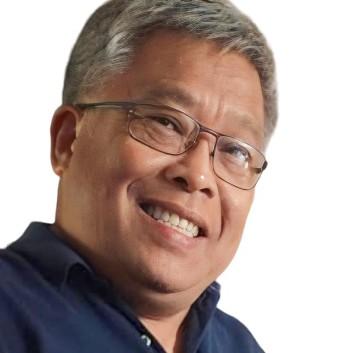
Clodualdo DE Ocampo
Civil Engineer
Antipolo City, Province of Rizal,RIZ
Summary
Results-driven Chief Engineer with expertise in equipment monitoring, regulatory compliance, and workflow optimization. Proven track record in enhancing productivity and implementing maintenance strategies to achieve operational excellence.
Overview
2
2
Languages
2026
2026
years of professional experience
Work History
Chief Engineer
Ark Marine Construction / Ark Pad OPC
01.2021 - 12.2025
- Ensured regulatory compliance by staying updated on industry standards and implementing necessary changes to company procedures.
- Managed and scheduled equipment and system preventive maintenance programs to verify contractual compliance.
- Established procedures for corrective and preventive maintenance.
- Enhanced productivity through streamlined workflows, process improvements, and efficient resource allocation.
- Consultant / Resource Person
WSS-PMO-Department of Interior & Local Government
03.2017 - 11.2021
- Design Training Modules: Develop activity designs, workshop syllabi, and specialized training materials. These focus on water system management, sanitation hygiene, and local governance.
- Facilitate Capacity Development: Act as the primary speaker, lecturer, or facilitator during institutional capacity-building workshops. These target DILG Regional Offices, local government units (LGUs), and community water organizations.
- Provide Technical Advisory: Deliver expert guidance on the planning, operation, maintenance, and structural sustainability of municipal water supply projects.
- Formulate Sector Policies: Assist in drafting policy frameworks, operational manuals, and evaluation mechanisms. These tools streamline how LGUs govern localized water utilities.
- Mentor Regional Hubs: Coach and evaluate localized Regional WATSAN (Water and Sanitation) Hubs. This coaching ensures local communities sustain infrastructure independently over time.DILG +5
- Consultant – Safe Water Sanitation and Hygiene I
United Nations Development Programme - Undp
03.2016 - 03.2017
- Needs Assessment: Conducting baseline surveys and Post-Disaster Needs Assessments (PDNA) to determine infrastructure gaps.
- Procurement Support: Assisting with the preparation of bidding documents and evaluating technical proposals for construction.
- Project Supervision: Monitoring construction sites to ensure adherence to safety standards, environmental guidelines, and quality assurance protocols.
- Capacity Building: Developing training manuals and conducting workshops on hygiene promotion and infrastructure maintenance.
Water Supply Specialist
United Nations Development Programme - Undp
03.2015 - 03.2016
- Technical Assessment: Evaluate existing water sources, water quality, and infrastructure gaps in target LGUs.
- Engineering Design Review: Review and validate hydraulic designs, technical drawings, and cost estimates for climate-resilient water systems.
- Capacity Building: Conduct technical training for LGU engineering units and local Rural Waterworks and Sanitation Associations (RWSAs).
- Policy Guidance: Align local water safety plans with the Philippine National Standards for Drinking Water (PNSDW).
- Stakeholder Engagement: Facilitate consultations between communities, government agencies, and private contractors.
Logistics Officer
United Nations High Commission For Refugees
2013 - 2015
- End-to-End Supply Chain Management: Overseeing the procurement, warehousing, and customs clearance of standard Core Relief Items (CRIs)—such as emergency shelter kits, thermal blankets, and family survival tools.
- Emergency Distribution Fleet Coordination: Managing regional distributions and field logistics, notably supporting the Mindanao Protection Cluster to quickly dispatch resources to internally displaced persons (IDPs) hit by conflict or natural disasters.
- Vendor & Local Procurement Management: Handling competitive bids (e.g., Invitations to Bid) for necessary operational field assets like commercial ICT systems, transport vehicles, or customized motorboats.
- Liaison & Partnership Coordination: Collaborating with regional clearing agents, the Philippine government, and local civil organizations to guarantee that imported humanitarian cargo receives tax-exempt clearances smoothly.UNHCR - The UN Refugee Agency +11
Civil Engineer
United Nations High Commission For Refugees
2012 - 2013
- Project Planning & Design: Prepare or review engineering drawings, structural plans, Bill of Quantities (BoQs), and technical spec documents for shelters, community centers, or digital facilities.
- Site Supervision: Conduct field visits to oversee contractors, monitoring material testing, earthworks, masonry, concrete works, and finishing quality.
- Contractor Management: Evaluate contractor accomplishments against the construction contract, review requests for variation orders, and manage site handovers.
- Stakeholder Coordination: Liaise with local government units (LGUs), community leaders, NGOs, and other UN agencies (such as UNDP or UNOPS) to ensure proper project implementation.
- Risk & Problem Solving: Identify operational constraints on-site and recommend immediate corrective measures to unexpected construction difficulties.
- Reporting: Maintain precise site records and prepare weekly or bi-weekly technical progress reports and final completion certificates
Civil Engineer / Site Planner
United Nations High Commission For Refugees
2006 - 2009
- Site Assessment and Selection: Conduct technical feasibility assessments on potential land plots, analyzing topography, soil conditions, water availability, drainage patterns, and accessibility.
- per person including infrastructure).Master Planning & Layout Design: Create site master plans and technical drawings using CAD software, incorporating UNHCR global standards for space allocation per person (e.g., minimum
- Infrastructure Management: Design and oversee the implementation of access roads, drainage networks, communal facilities, distribution centers, and administrative perimeters.
- Inter-Sector Coordination: Collaborate closely with Camp Coordination and Camp Management (CCCM), WASH (Water, Sanitation, and Hygiene), Shelter, and Protection teams to ensure service placement does not create safety risks.
- Environmental & Community Mitigation: Implement sustainable measures such as agroforestry, proper waste zones, and localized resource management to minimize the settlement's impact on the local environment.
Civil Engineer
United Nations High Commission For Refugees
2003 - 2006
- Estimated quantities and material costs during project planning to support budgeting and costing.
- Supervised construction progress on-site, addressing any discrepancies or issues promptly while maintaining safety protocols.
- Monitored execution of contract work for compliance with design plans and specifications.
- Managed subcontractors effectively, promoting collaboration and ensuring adherence to project specifications.
UNV Water and Sanitation Specialist
United Nations Transitional Administration in East Timor
2000 - 2002
- Project Implementation: Oversee the construction, design, and maintenance of WASH facilities (such as water filtration, storage, and small-scale irrigation).
- Policy & Planning: Draft comprehensive data for field office situation analyses and assist in establishing policy papers.
- Stakeholder Engagement: Build capacity within local government, host communities, and marginalized groups to ensure the sustainability of services.
- Monitoring & Evaluation: Provide real-time monitoring and reporting on construction progress, quality assurance, and contractor performance.
Monitoring Engineer
President Bridge Program - Department of Local Governmet
1999 - 2000
- 1. Project Monitoring and Field Inspections
- Conduct Field Visits: Undertake regular site visits to evaluate physical progress, verifying that bridge construction matches authorized engineering plans.
- Perform Quality Control: Inspect the workmanship of contractors and materials used to verify compliance with national engineering and DILG safety standards.
- Assess Projects-at-Risk: Identify projects experiencing delays, analyze structural bottleneck issues, and order critical corrective actions or catch-up plans.
- Execute Turn-over Inspections: Participate in structural completion audits, issuing Final Completion and Acceptance Inspection Reports after the liability period expires.
- 2. Technical Review and Data Verification
- Evaluate Engineering Designs: Review the Detailed Engineering Designs (DED), Program of Works (POW), and cost estimation requirements before project endorsement.
- Analyze Risk Data: Prepare systematic risk assessments and monthly financial-versus-physical accomplishment evaluations.
- 3. Technical Assistance and Capacity Building
- Guide LGU Engineering Offices: Provide specialized technical guidance to Provincial, City, and Municipal Engineers regarding bridge construction techniques.
- Conduct Training Initiatives: Facilitate orientations and structural audit workshops to align local officials with Results-Based Monitoring and Evaluation (RBME) protocols.
- Develop Support Frameworks: Assist in creating standardized operational guidelines, operations manuals, and information campaign assets for infrastructure management.
Site Manager
ZAQ Construction SDN BHD
02.1996 - 02.1998
On-Site Safety & Compliance
Enforcing safety rules: Inspecting the site daily to ensure all workers wear proper safety gear and follow health protocols.
Managing risk: Identifying hazards and taking immediate action to prevent on-site accidents.
Team Coordination & Supervision
Directing workers: Assigning clear daily tasks to labor crews, subcontractors, and tradespeople.
Scheduling labor: Creating and managing shift schedules to ensure enough workers are on-site each day.
Resolving conflicts: Managing arguments or misunderstandings between different trade teams on the ground.
Project Progress & Quality Control
Tracking deadlines: Monitoring the building schedule daily to keep the project on track.
Inspecting work: Checking completed construction phases to guarantee they match the architectural blueprints and quality standards.
Problem solving: Fixing unexpected daily issues, such as bad weather delays or structural mistakes.
Logistics, Materials, & Budgeting
Ordering materials: Coordinating deliveries of concrete, steel, tools, and heavy machinery so work never stops.
Monitoring costs: Tracking daily site expenses to prevent the project from going over budget.
Approving invoices: Verifying subcontractor invoices and hours worked before sending them to the corporate office.
Communication & Reporting
Client updates: Meeting regularly with clients, architects, and company executives to report on progress.
Paperwork management: Keeping accurate daily logs, safety records, and progress reports.
Education
Bachelor of Science - Civil Engineering
FEATI UNIVERSITY
Manila, Metro Manila, Philippines 04.2001 -
Skills
Equipment monitoring
Workflow planning
Maintenance planning
Maintenance processes
Software
Sketchup
MS Office
Timeline
Chief Engineer
Ark Marine Construction / Ark Pad OPC
01.2021 - 12.2025
- Consultant / Resource Person
WSS-PMO-Department of Interior & Local Government
03.2017 - 11.2021
- Consultant – Safe Water Sanitation and Hygiene I
United Nations Development Programme - Undp
03.2016 - 03.2017
Water Supply Specialist
United Nations Development Programme - Undp
03.2015 - 03.2016
Bachelor of Science - Civil Engineering
FEATI UNIVERSITY
04.2001 -
Site Manager
ZAQ Construction SDN BHD
02.1996 - 02.1998
Logistics Officer
United Nations High Commission For Refugees
2013 - 2015
Civil Engineer
United Nations High Commission For Refugees
2012 - 2013
Civil Engineer / Site Planner
United Nations High Commission For Refugees
2006 - 2009
Civil Engineer
United Nations High Commission For Refugees
2003 - 2006
UNV Water and Sanitation Specialist
United Nations Transitional Administration in East Timor
2000 - 2002
Monitoring Engineer
President Bridge Program - Department of Local Governmet
1999 - 2000